
Case Study: The Role of AI Text-to-Speech (TTS) in Modern Learning

Case Study by Ayotomide Adebanjo
For a busy student juggling classes and commuting, or a professional struggling with information overload, reading every document isn’t always possible. This is where text-to-speech (TTS) changes the game, turning written words into spoken audio that fits seamlessly into daily life.
As technology rapidly evolves, the way people consume and interact with digital content is transforming. TTS not only makes information more versatile and accessible but also enhances user experience, supports accessibility needs, and helps reach audiences across multiple languages. Thanks to advances in artificial intelligence, modern TTS systems now deliver speech that is more natural, adaptive, and lifelike than ever before.
To appreciate its growing impact, it helps to first understand how text-to-speech technology works behind the scenes.
How Text-to-Speech Technology Works
At its core, text-to-speech (TTS) technology takes written input and converts it into spoken language. The process begins with text preprocessing, where sentences are broken down into phonetic components. Using natural language processing (NLP), the system then interprets the text and generates speech that reflects natural rhythm, tone, and emphasis.
The result is audio that closely resembles human speech, making it possible for users to listen to content in a natural voice rather than reading it on a screen. This shift not only reduces the effort of scanning through lengthy texts but also frees up time, making learning and multitasking much easier.
AI Advancements in Text-to-Speech Technology
Artificial intelligence has significantly advanced text-to-speech (TTS) systems, resulting in voices that sound more natural and fluid. Modern AI-powered TTS leverages deep learning models to improve the quality of speech synthesis. By training on large datasets of human speech, neural networks learn to reproduce a wide range of intonations, rhythms, and emotional expressions. This allows today’s systems to generate speech that closely resembles human conversation, making digital voices more engaging and lifelike than ever before.
These advancements move TTS far beyond the robotic voices of the past, unlocking a wide range of practical benefits across industries.
Key Benefits of AI-Powered Text-to-Speech
With AI making TTS more natural and adaptive, its real value lies in the benefits it delivers across everyday life and industries:
- Efficiency: Large volumes of text can be converted into speech quickly and accurately, saving time and resources. For example, news publishers can instantly create audio versions of articles for listeners.
- Versatility: From e-learning and audiobooks to customer service and content creation, TTS adapts to multiple use cases. Teachers and content creators, for instance, can transform study materials or articles into engaging audio formats.
- Accessibility: As part of assistive technology, TTS supports users with disabilities, such as those who rely on screen readers or struggle with reading.
- Cost-effectiveness: Automating voice production reduces the need for manual narration or expensive voiceover work.
- Engagement: Natural, human-like voices improve user experience, keeping audiences more connected to the content.
These benefits explain why TTS is no longer just a convenience—it’s becoming an essential tool across multiple industries.
Popular Applications of Text-to-Speech Technology
The impact of TTS can already be seen across several industries and personal use cases. By turning written content into natural-sounding audio, it enables new ways of learning, working, and connecting:
- Education & E-Learning: Platforms and teachers use TTS to make study materials more interactive and accessible, giving students the option to listen instead of only reading.
- Media & Publishing: Authors and publishers transform books into audiobooks at scale, while writers and marketers convert blogs, articles, and promotional content into audio for wider reach.
- Business & Customer Service: AI-powered voice systems enhance customer support, allowing chatbots and automated phone lines to sound more natural and human-like.
- Virtual Influencers & Digital Media: TTS provides realistic voices for digital influencers, enabling them to engage with followers across multiple languages.
- Audiobooks: Beyond traditional publishing, independent authors and smaller businesses can now produce audiobooks faster and at a fraction of the cost.
Real Examples of TTS in Action
TTS is no longer a futuristic concept; it is already part of the apps and devices people use every day. Several well-known platforms have successfully integrated TTS to improve user experience:
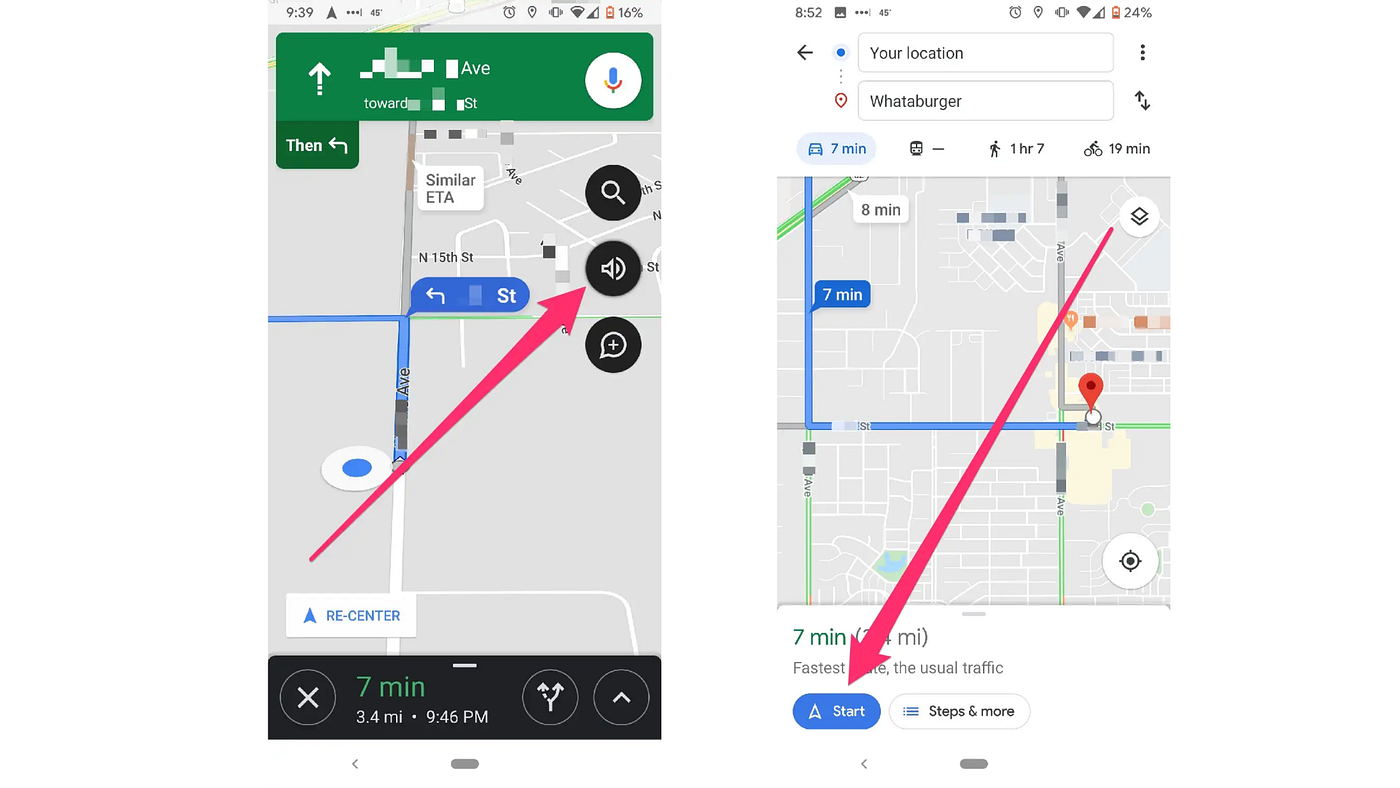
- Google Maps: One of the most widely used navigation apps, Google Maps uses TTS to read out driving directions in real time. This allows drivers to focus on the road while still receiving step-by-step instructions hands-free.
- Apple Siri & Amazon Alexa: Virtual assistants like Siri and Alexa rely heavily on TTS to interact with users. From answering questions to setting reminders or reading messages aloud, these tools showcase how natural-sounding AI voices have become a daily utility.
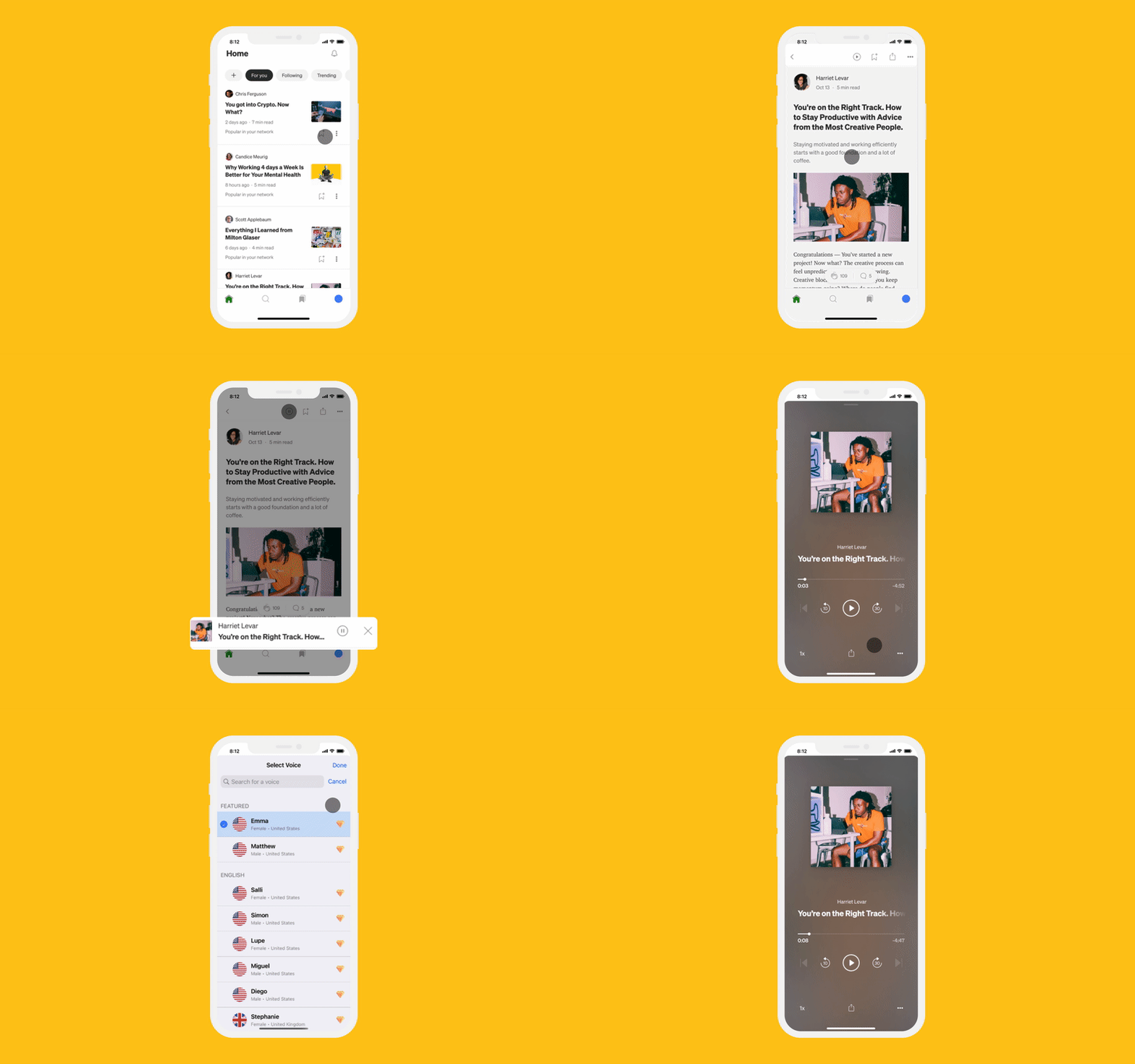
- Medium “Listen” Button: The publishing platform Medium introduced a Listen button that turns written articles into spoken audio. This feature lets readers consume content while commuting, exercising, or multitasking — making long-form reading more accessible and convenient.
- Audiobooks: Beyond traditional narration, many publishers and independent authors now use TTS to convert books into audio quickly and cost-effectively. This lowers barriers to entry and helps more writers reach audio-focused audiences.
These examples highlight how TTS isn’t just theoretical; it is embedded in products that millions of people rely on every day.
The Impact on Learning and Daily Life
AI-powered TTS is transforming how students, professionals, and everyday users engage with information.
- Learning on the Go: Instead of being tied to a desk, students can now listen to lecture notes or textbooks while commuting. A visually impaired student, for example, can access course materials through TTS on their phone—making education more inclusive and accessible.
- Boosting Productivity: Professionals can turn idle moments, like exercising or traveling, into opportunities to catch up on reports, articles, or emails.
- Accessibility Empowerment: TTS supports individuals with dyslexia, vision impairments, or concentration challenges by making content easier to consume and understand.
- Reducing Screen Fatigue: Listening to content offers a healthy alternative to long hours of screen time, while also providing multilingual reach that breaks down global communication barriers.
By turning idle moments into learning and productivity opportunities, TTS empowers people to stay engaged without requiring extra time in their schedules.
Future Trends in Text-to-Speech Technology
The future of text-to-speech lies in creating even more natural and emotionally expressive voices. Advancements are moving toward speech that can adapt tone, rhythm, and style to match context or user preferences. In the near future, TTS will sound even more human, capable of expressing emotions, adapting to your mood, and even translating speech in real time to bridge language barriers. Real-time TTS combined with AI-driven translation is expected to play a major role in enabling seamless global communication. Furthermore, affective computing will allow TTS systems to adjust their delivery to reflect the listener’s mood, making interactions more personal and engaging.
Conclusion
Text-to-speech technology is continuing to reshape how learning, work, and interaction with digital content are carried out. Content creation is being accelerated, accessibility is being improved, and more human-like interactions are being enabled, thereby unlocking new possibilities across industries worldwide. In a world where time is limited and information is endless, TTS is being used to provide ways to stay informed, learn, and connect without barriers.
At Apptalic Lab, the boundaries of what TTS can achieve are being pushed. Written content is being brought to life through advanced multilingual voices powered by AI, in ways that are both engaging and lifelike.
